
What Makes a High-Quality Custom Mouthguard?
Key Takeaways
- A secure, comfortable fit helps keep a mouthguard in place during activity.
- Material quality, construction, and coverage influence protective performance.
- Custom-made guards offer personalized fit advantages over standard stock options.
- Regular cleaning, careful storage, and routine inspections help maintain a mouthguard's condition.
A mouthguard should do more than fit over your teeth. It should stay securely in place, feel comfortable during activity, and help reduce the risk of dental injuries when an unexpected impact occurs. For athletes and active individuals, custom mouthguards in Madera offer a personalized alternative to generic options that may feel bulky or fit poorly.
Understanding the materials, fit, coverage, and intended use of a mouthguard can help you make a more informed choice. Whether you play contact sports, participate in martial arts, or want added protection during training, these factors determine how useful your mouthguard will be.
What Should You Look for in a High-Quality Mouthguard?
1. A Secure, Personalized Fit
A high-quality mouthguard should fit the shape of your teeth and dental arch without constantly shifting during movement. A loose guard may need repeated adjustment, while an overly tight one can cause discomfort and discourage regular use.
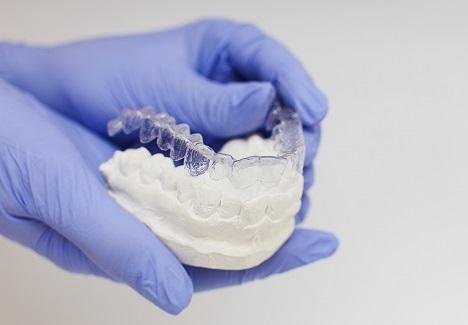
Unlike standard stock guards, custom fit mouthguards in Madera are designed around an individual's dental structure. Depending on the fabrication process, a dental impression or digital scan may be used to create a more precise fit.
Look for these practical features:
- Secure retention: The guard should remain in position without constant biting to hold it.
- Comfortable coverage: It should cover the intended teeth without sharp edges or unnecessary bulk.
- Breathability: You should be able to breathe comfortably while wearing it.
- Clear speech: Some adjustment is normal, but excessive interference can make communication difficult.
A good fit matters because even a well-made mouthguard offers limited benefit if the wearer removes it during training.
2. Durable Materials and Effective Impact Absorption
A mouthguard must withstand repeated use while helping absorb and distribute impact forces. Material thickness, construction, and coverage all influence its performance.
Custom guards commonly use specialized thermoplastic materials, including ethylene-vinyl acetate (EVA). Depending on the design, layered construction can combine a comfortable inner surface with a more resilient protective structure.
Durability also depends on how the guard is used and maintained. Repeated biting, exposure to excessive heat, and poor storage can contribute to wear or distortion.
Before choosing a guard, ask about its material, construction, cleaning instructions, and suitability for your sport. A premium appearance alone does not establish protective performance.
3. Protection Matched to Your Activity
Different sports create different demands. A basketball player may experience accidental collisions, while a boxer faces repeated risks from direct contact around the mouth.
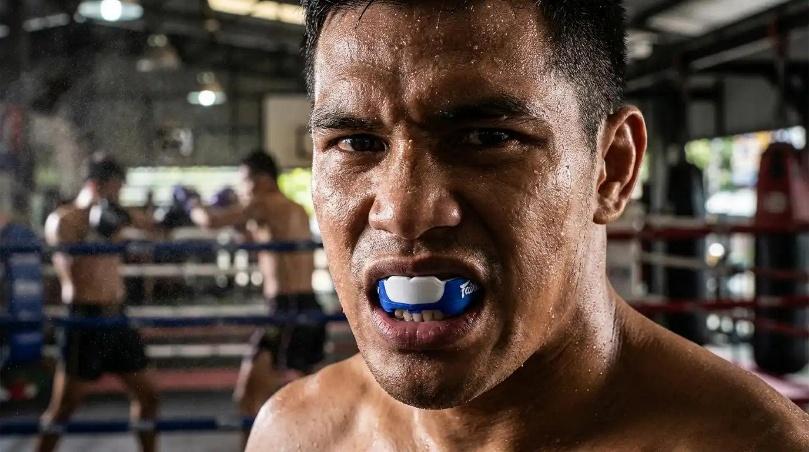
Custom sports mouthguards in Madera should be selected according to the activity, expected impact, and wearer's dental needs.
The American Dental Association recommends properly fitted mouthguards for activities that carry a significant risk of dental or facial injury. Its guidance on athletic mouthguards explains the differences between custom-made, mouth-formed, and stock options.
Custom vs. Store-Bought Mouthguards: What's the Difference?
Both custom-made and ready-made mouthguards can offer protection when appropriately designed and used. However, their fit, convenience, and adjustment requirements differ.
| Feature | Custom-made mouthguard | Stock mouthguard |
|---|---|---|
| Fit | Made for individual dental anatomy | Available in standard sizes |
| Comfort | Can offer a more personalized fit | May feel bulky or loose |
| Retention | Designed for secure positioning | May require repositioning |
| Initial cost | Generally higher | Generally lower |
| Personalization | Can accommodate individual requirements | Limited adjustment |
Boil-and-bite guards offer another option between these two categories. They are molded at home according to product instructions and may fit better than stock guards, although the result depends on proper molding.
The best choice depends on your activity, budget, and comfort needs. A dental professional can help determine which option provides appropriate protection.
Why Choose Custom Dental Mouthguards in Madera?
What are the benefits of custom dental mouthguards in Madera? The main advantages are personalized fit, improved comfort for regular wear, and the ability to tailor the design to an individual's sporting requirements.
A properly fitted mouthguard helps reduce the risk and severity of dental injuries, including chipped, fractured, or displaced teeth and injuries to the lips and cheeks. However, no mouthguard can eliminate every injury risk or guarantee protection against concussion.
Other practical benefits include:
- Consistent wear: A comfortable guard is easier to keep in place throughout practice and competition.
- Individual adjustments: The design can account for specific dental anatomy and relevant treatment needs.
- Long-term usability: With proper care, a durable guard may remain useful over repeated sessions, although its lifespan varies.
- Greater confidence: Knowing your teeth have an appropriate protective barrier can make training feel more reassuring.
How Should You Maintain a Custom Mouthguard?
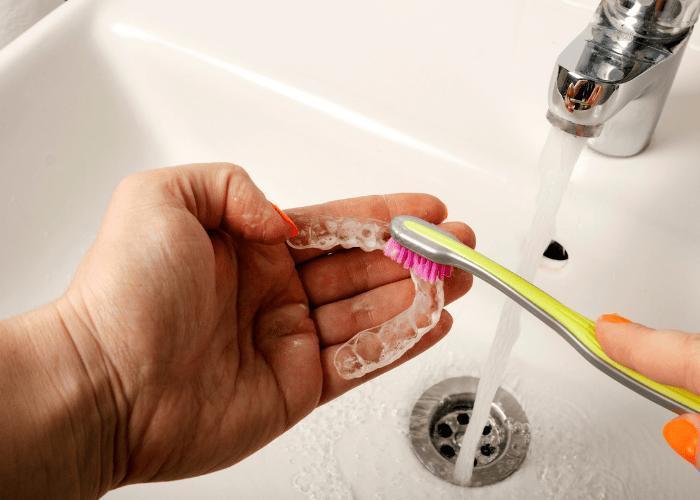
Even a carefully fabricated mouthguard needs regular maintenance. Follow these habits to preserve its condition:
- Rinse after use: Wash away saliva and debris with cool or lukewarm water.
- Clean gently: Use a soft toothbrush and a suitable mild cleaning product, following the manufacturer's instructions.
- Air-dry completely: Allow the guard to dry before storing it in a ventilated protective case.
- Avoid excessive heat: Hot water and direct sunlight can distort some mouthguard materials.
- Inspect regularly: Look for tears, cracks, thinning, rough edges, or changes in fit.
If your guard becomes loose, damaged, or uncomfortable, stop using it until you have assessed whether it needs replacement or adjustment. Changes in teeth, orthodontic treatment, and dental restorations may also affect its fit.
For further reading, explore The Grit Lab's related article, Custom Mouthguards: A Smart Investment for Long-Term Dental Protection, for additional context on protecting your teeth over time.
Conclusion
A high-quality mouthguard combines a secure fit, suitable materials, effective coverage, and practical comfort. Choosing one designed for your activity and maintaining it correctly can help protect your teeth throughout training and competition.
If you are comparing protective options, explore the services offered by The Grit Lab and consider which mouthguard best meets your needs. A well-fitted guard is a practical investment in your long-term dental protection.