How Custom Mouthguards Are Made from Start to Finish
Key Takeaways
- Custom mouthguards are created using an individual impression or digital representation of the wearer’s mouth.
- The process includes assessment, design, forming, trimming, finishing, and final fitting.
- A custom fit can provide more individualized coverage and comfort than a standard stock mouthguard.
- Proper fitting is especially important for athletes participating in contact sports such as boxing.
Introduction
A mouthguard needs to do more than sit over the teeth. For athletes involved in boxing, martial arts, football, hockey, and other contact sports, fit, retention, comfort, and material quality all matter. When exploring custom dental mouthguards in Madera, understanding how a custom appliance is made can help athletes know what separates a professionally fabricated mouthguard from a generic alternative. From the initial assessment to final fitting, each stage contributes to the finished result.
What Is a Custom Mouthguard?
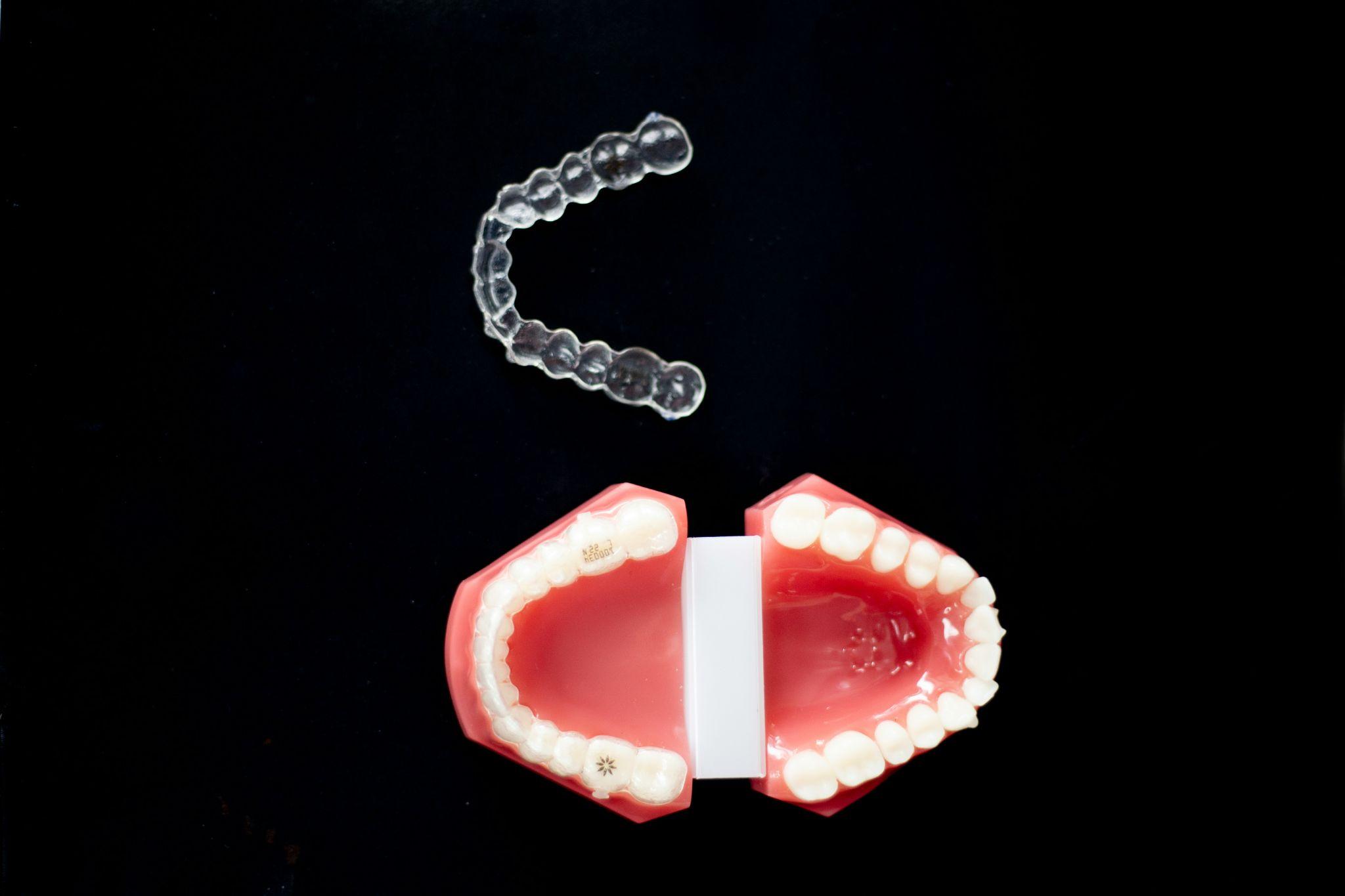
A custom mouthguard is an athletic mouth protector fabricated from an individual's dental impression or digital scan rather than a standard, pre-formed size.
The American Dental Association recommends properly fitted mouthguards for activities with significant risks of dental or orofacial injury. Custom mouthguards are typically fabricated from individual impressions using thermoforming techniques such as vacuum or pressure forming.
Unlike stock mouthguards, a custom appliance is designed around the wearer's specific oral anatomy. That allows the finished guard to be evaluated for retention, coverage, comfort, and intended use.
How Are Custom Mouthguards Made?
Although fabrication methods can vary, the process generally follows several important stages.
1. Assessing the Athlete's Needs
The process begins by understanding how and where the mouthguard will be used. A boxer may have different practical requirements from a recreational athlete participating in a lower-contact activity.
The fitting professional may consider:
- The athlete's sport and level of contact
- Existing dental work or orthodontic appliances
- The desired thickness and coverage
- Comfort and breathing requirements
- Any previous mouthguard problems
This initial step helps determine the appropriate design rather than treating every athlete the same way.
2. Capturing the Mouth's Shape
Next, the dental anatomy is recorded through an impression or digital scanning process.
The objective is accuracy. A poorly captured impression or scan can affect how closely the final appliance follows the teeth and surrounding structures.
Digital workflows can also make it easier to visualize the proposed design before fabrication, depending on the equipment and provider.
3. Designing the Mouthguard
Once the oral anatomy has been captured, the mouthguard is designed around that model.
Thickness, coverage, edges, retention, and the athlete's intended use all need consideration. For contact sports, adequate coverage and a secure fit are particularly important.
This is also where customization can extend beyond fit. Depending on the provider, athletes may have options involving color, graphics, or team-related designs.
How Does a Custom Fit Differ From a Stock Mouthguard?
The biggest difference is how the appliance is adapted to the athlete's mouth.
| Feature | Stock Mouthguard | Custom Mouthguard |
|---|---|---|
| Fit | Standardized size | Made from individual anatomy |
| Retention | Generally less personalized | Designed for specific fit |
| Customization | Limited | Greater design flexibility |
| Fabrication | Ready-made | Professionally fabricated |
| Cost | Generally lower | Generally higher |
| Adjustments | Limited | Can be tailored to intended use |
The ADA identifies stock, mouth-formed, and custom-made mouthguards as three broad categories. It notes that custom mouthguards can be customized to the user's requirements and preferences, although they generally cost more and require fitting and customization.
4. Forming the Mouthguard Material
After the design is finalized, the selected material is formed over the model of the athlete's teeth.
Thermoforming methods can include vacuum forming or pressure forming. The goal is to produce an appliance that follows the dental contours while maintaining the intended protective properties.
Material selection matters here. A mouthguard needs to remain resilient while providing an appropriate protective surface, and the fabrication method should be suited to the material being used.
5. Trimming and Finishing
Fabrication does not end when the material has been formed. The mouthguard is trimmed and finished so that edges are comfortable and the appliance does not unnecessarily interfere with surrounding soft tissues.
This stage requires attention to detail. Rough edges, excessive material, or poor contours can make an otherwise well-designed mouthguard uncomfortable enough that an athlete avoids wearing it.
6. Final Fitting and Adjustments
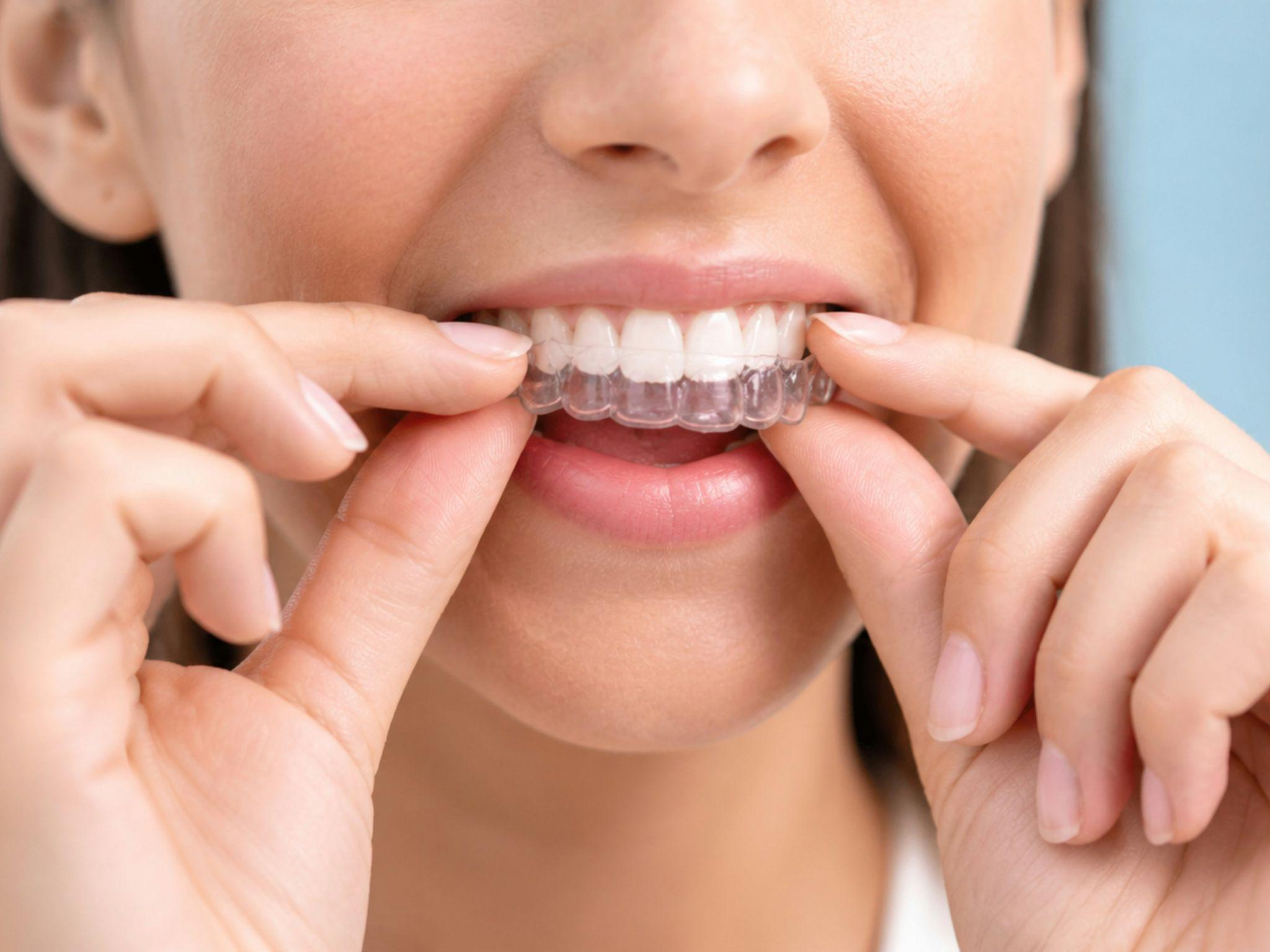
The finished mouthguard is checked in the athlete's mouth. Retention, comfort, coverage, and bite relationship can be evaluated, with adjustments made where appropriate.
A useful rule of thumb is simple: a mouthguard should stay comfortably in position without requiring constant repositioning.
For athletes considering custom fit mouthguards in Madera, this final fitting stage is one of the major advantages of a customized process. The goal is not merely to produce a guard that fits the model but to make sure the finished appliance works comfortably for its intended use.
Who Makes Custom Boxing Mouthguards in Madera?
Athletes looking for custom boxing mouthguards in Madera should look for a provider experienced in athletic mouthguard fabrication and fitting. Boxing is a high-contact sport, and the ADA specifically includes boxing among activities where mouthguard use is recommended.
When comparing custom mouthguards in Madera, ask how impressions or scans are captured, what fabrication method is used, how the final fit is evaluated, and whether adjustments are available.
For athletes interested in how fit can influence the experience of wearing an athletic mouthguard, How a Properly Fitted Mouthguard Improves Athletic Performance provides additional context.
What Makes the Process Worthwhile?
The value of a custom mouthguard comes from the complete process—not simply the finished piece of material. Accurate capture, thoughtful design, appropriate fabrication, careful finishing, and final fitting all contribute to the result.
For athletes who rely on their mouthguard during regular training and competition, comfort and retention can also influence whether they consistently wear it. The ADA notes that properly fitted mouthguards can help reduce the incidence and severity of sports-related oral injuries.
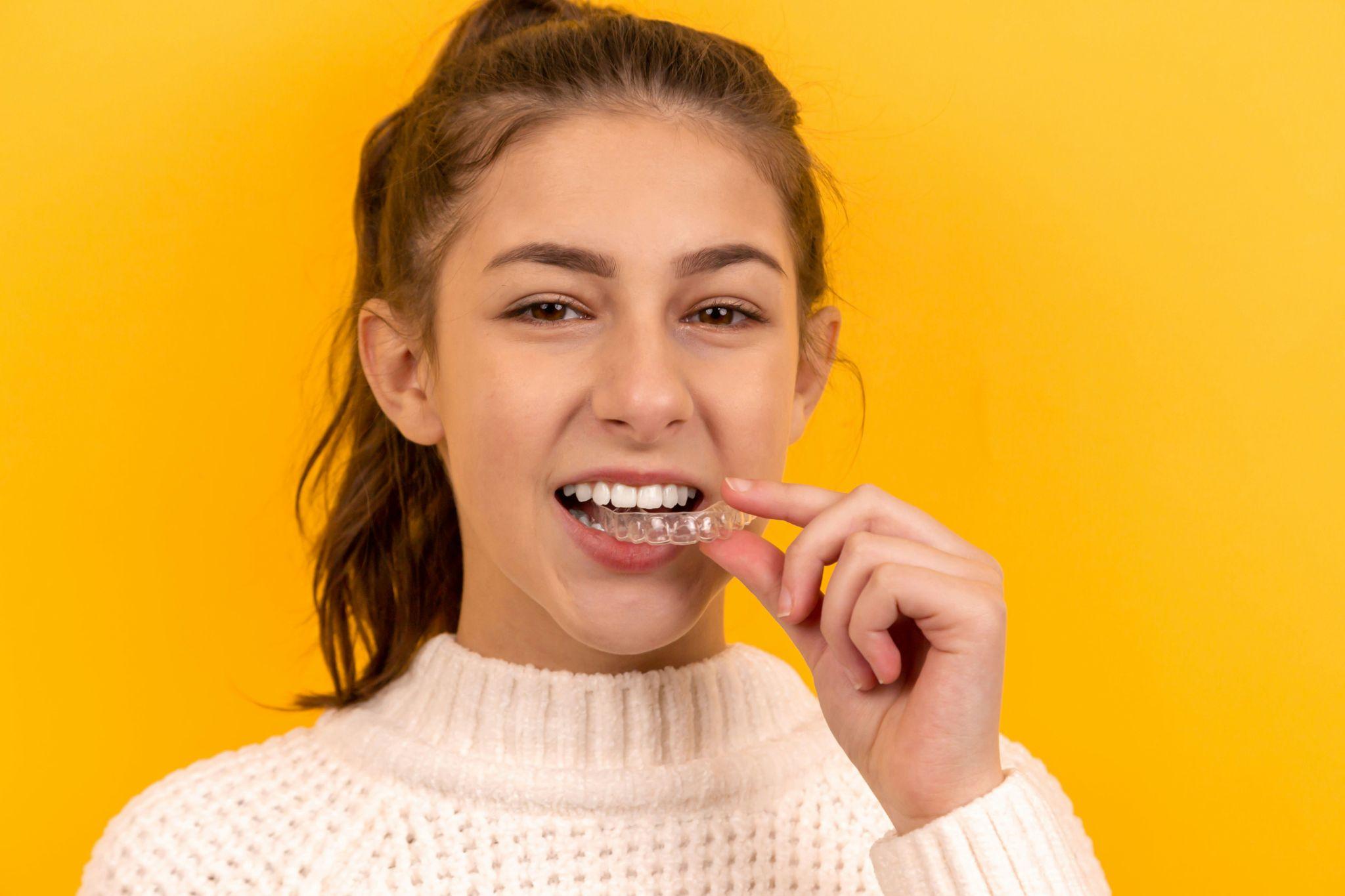
A professionally made mouthguard is therefore best viewed as an individualized piece of protective equipment. When each stage is handled carefully, athletes get a better opportunity to use a mouthguard that is comfortable, secure, and suited to the demands of their sport.
Get a Custom Mouthguard
For a mouthguard designed around your individual fit and athletic needs, connect with The Grit Lab.