
How a Custom Mouthguard Can Improve Breathing During Sports
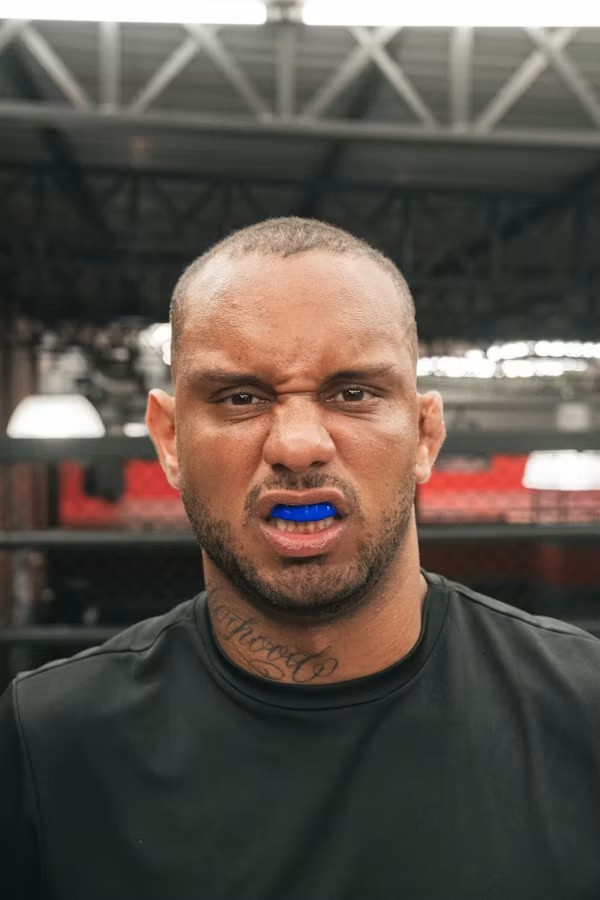
A mouthguard should protect more than teeth. During training or competition, athletes also need to breathe comfortably, communicate clearly, and stay focused without constantly adjusting their equipment. Properly fitted custom mouthguards in Kingsburg can provide a secure fit that stays in place during movement. While a mouthguard cannot treat breathing disorders or guarantee better athletic performance, its design and fit can influence comfort and how easily an athlete manages breathing during intense activity.
Why Does Mouthguard Fit Matter for Breathing?
A mouthguard that shifts, feels bulky, or requires frequent biting to keep it in place can become distracting during exercise. Athletes may find themselves adjusting it between plays instead of concentrating on the activity.
A custom device is made for the individual athlete rather than relying on a generic shape. The American Dental Association notes that an ideal athletic mouthguard should fit securely, remain comfortable, and be properly adapted to the wearer's oral structures.
A secure fit can reduce unnecessary movement.
When a mouthguard stays where it should, athletes do not need to reposition it with their tongue or jaw repeatedly. This can make breathing and speaking feel more natural compared with an ill-fitting appliance.
Comfortable breathing still depends on technique.
Breathing during exercise is influenced by intensity, conditioning, body position, nasal congestion, and individual physiology. A mouthguard should not be viewed as a breathing treatment.
Instead, its role is to provide protection without unnecessarily interfering with normal breathing habits.
How Can Custom Mouthguards Support Active Athletes?
The advantages of a custom fit become particularly noticeable when an athlete needs to move, speak, breathe, and react quickly.
| Feature | Potential benefit during sport |
|---|---|
| Custom fit | More secure and comfortable positioning |
| Retention | Less need to adjust the mouthguard |
| Proper coverage | Protection for teeth and oral tissues |
| Sport-specific design | Can suit the demands of different activities |
| Durable material | Better suited to repeated athletic use |
Better retention can mean fewer distractions.
A mouthguard that remains securely positioned can help an athlete focus on the game instead of the equipment. This matters in sports involving repeated acceleration, contact, jumping, or rapid changes in direction.
The ADA recommends properly fitted mouthguards for activities where there is a significant risk of dental or orofacial injury.
Communication matters, too.
Athletes often need to communicate with teammates and coaches while moving. An overly bulky or poorly fitted mouthguard may make speech feel awkward.
A custom design can provide a more precise fit, which may make communication more comfortable. However, individual results vary depending on the athlete, mouthguard design, and sport.
Why Are Custom Sports Mouthguards Useful for Different Sports?
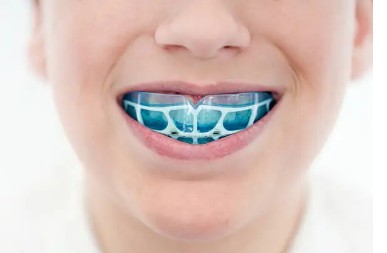
Different sports create different demands. A recreational basketball player, a football athlete, and a boxer may all need mouth protection, but their equipment requirements are not identical. For athletes looking for custom sports mouthguards in Kingsburg, the sport should be discussed before selecting a design.
Consider:
- Contact level: Collision and contact sports present greater risks of dental injury.
- Training frequency: Athletes who train frequently need equipment that can withstand regular use.
- Communication: Team sports may require frequent communication during play.
- Comfort: A mouthguard should remain comfortable during extended sessions.
- Fit: Retention is important because athletes should not need to constantly reposition the device.
The ADA identifies boxing, football, hockey, lacrosse, martial arts, rugby, soccer, wrestling, and several other activities as sports where mouthguard use can be appropriate.
What About Boxing and High-Impact Training?
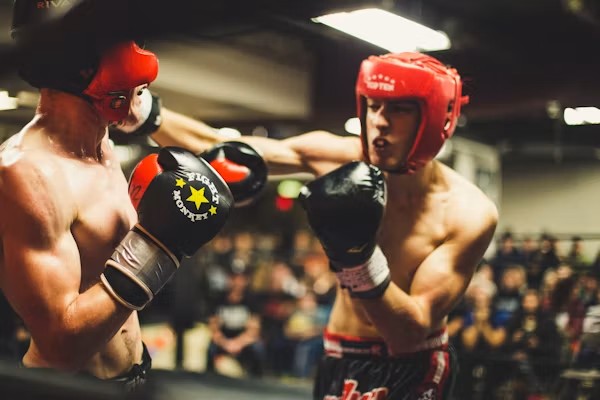
Boxing creates a particularly strong need for reliable oral protection. Repeated impacts can affect the teeth, lips, cheeks, and other oral structures.
Athletes considering custom boxing mouthguards in Kingsburg should look beyond colour and appearance. The more useful questions concern fit, retention, coverage, comfort, durability, and whether the mouthguard is appropriate for the athlete's training and competition requirements.
A custom mouthguard can be especially useful when an athlete wants a device designed around their own dental structure rather than a generic size.
It is also worth remembering that mouthguards should not be marketed as guaranteed concussion prevention. The ADA states that evidence regarding mouthguards and concussion risk remains mixed and that further research is needed.
How Should Athletes Choose the Right Mouthguard?
Choosing a mouthguard is easier when the decision starts with the athlete rather than the product label.
1. Identify the sport
The level of contact and frequency of impact should influence the type of protection required.
2. Consider comfort and retention
A mouthguard that feels secure is more likely to remain in place throughout training or competition.
3. Discuss breathing and communication
Athletes who struggle with bulky equipment should explain their concerns before fitting. The goal is a protective device that does not create unnecessary discomfort.
4. Check the condition regularly
Mouthguards can wear down, develop damage, or stop fitting correctly as an athlete's dental situation changes. Regular inspection can help identify when replacement or adjustment may be appropriate.
For additional guidance on athletic mouthguards and injury prevention, the American Dental Association's mouthguard guidance provides information on fitting, types, protection, and appropriate sports use.
Why Choose The Grit Lab for a Custom Fit?
Once athletes understand what to look for, the next step is finding a provider that can discuss their sport, fit requirements, and comfort concerns.
The Grit Lab serves athletes in Kingsburg with custom mouthguard solutions designed around individual needs. Its location page provides information for people seeking sports-focused dental protection in the area.
A properly fitted mouthguard is ultimately about finding the right balance between protection, comfort, retention, and everyday usability. For athletes who spend hours training, that balance can make protective equipment feel much less like an interruption and much more like part of the kit.
Key Takeaways
- A secure mouthguard can reduce the need for repeated adjustments during sport.
- Custom fitting can improve comfort and retention compared with generic designs.
- Mouthguards can protect against sports-related dental and orofacial injuries.
- View breathing benefits as a comfort consideration, not a guaranteed performance improvement.
- Sport-specific requirements matter when selecting a mouthguard.
- Boxing and other contact sports require particular attention to oral protection.
- Athletes should replace or reassess mouthguards when fit, condition, or dental circumstances change.